
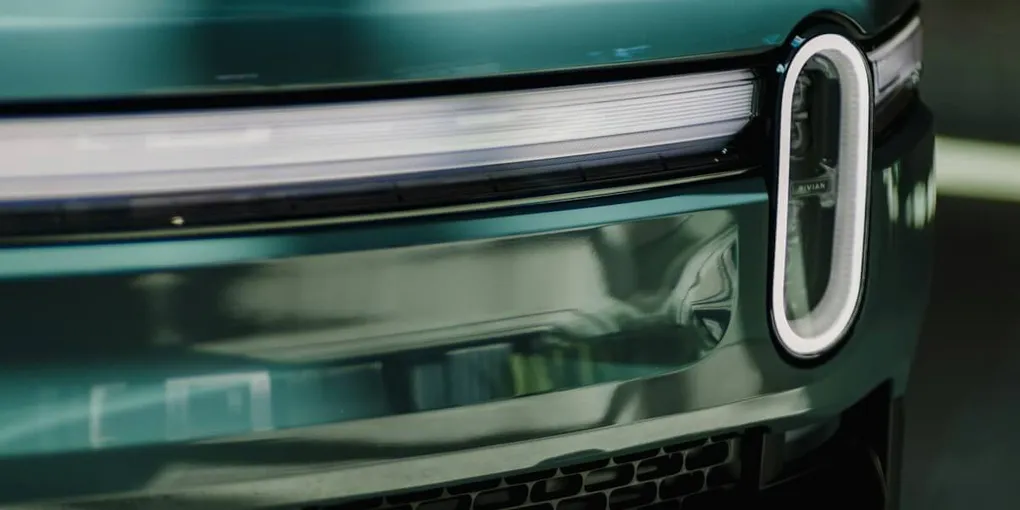

Let’s address the elephant in the garage: the car community has turned the EV vs. ICE conversation into a dumpster fire. One side insists combustion engines are dinosaur tech that’s killing the planet. The other side treats electric cars like an existential threat to everything they love about driving. The reality, as usual, is messier and more interesting than either camp wants to admit.
Where EVs Win
Instant Torque
An electric motor delivers peak torque at zero RPM. No building revs, no waiting for boost, no downshifting. You press the pedal and the car goes. A base Model 3 hits 60 in under 6 seconds. The Plaid does it in under 2. That’s physics-flexing territory.
Low Running Costs
Electricity is cheaper than gasoline per mile — often by a factor of three or four. No oil changes, no transmission fluid, no spark plugs, no timing belts. Regenerative braking means brake pads last 100,000+ miles. The maintenance schedule for an EV is basically: tires, cabin filter, wiper fluid, and eventually coolant.
Daily Usability
If you have home charging, an EV is actually more convenient than a gas car. You never visit a gas station. It’s always “full” in the morning. For the 95% of driving that happens within 100 miles of home, an EV is seamless.
Packaging Freedom
No engine, no transmission tunnel, no exhaust. EVs open up interior space in ways combustion cars can’t match — frunks, flat floors, massive cabins on compact footprints.
Where ICE Wins
Emotional Engagement
This is the big one. A combustion engine has a personality. It builds power differently through the rev range. It makes noise — sometimes beautiful noise. The interaction between driver, clutch, gearbox, and engine is a skill to be mastered. EVs dispatch speed with clinical efficiency, but they lack the theater.
Refueling Speed
You can fill a gas tank in 3 minutes. Even the fastest DC fast chargers take 15–20 minutes to get you from 10% to 80%. On a road trip, that gap matters — especially if chargers are occupied or broken.
Weight
Batteries are heavy. A Model S weighs about as much as a Ford F-150. That weight affects handling, braking, tire wear, and road damage. Physics doesn’t care about your carbon footprint.
Proven Longevity
We know how long combustion engines last because we’ve been building them for over a century. Battery degradation is real — most EVs lose 10–20% of range over 150,000 miles. Battery replacement costs can total a car that’s otherwise perfectly functional.
The Honest Middle Ground
Here’s what neither side wants to say: both powertrains are good at different things.
An EV is a brilliant daily driver. Silent, smooth, cheap to run, and stupidly quick in real-world traffic. For commuting, errands, and the grind of everyday life, it’s hard to beat.
A combustion car — especially a good one with a manual transmission — is an event. It’s what you take on a Sunday morning backroad blast. It’s what you drive to Cars & Coffee. It’s what you track.
The future isn’t one or the other. It’s a garage with both — an EV for the daily grind and something with a manual gearbox and a soul for the weekends.
What Car People Actually Want from an EV
The enthusiast resistance to EVs is not about range anxiety or charging infrastructure — those are practical concerns that will improve. It is about something deeper: the sense that an EV has no character. A combustion engine communicates through vibration, noise, and the way it builds power. You can feel a cammed V8 loping at idle in your chest. You can hear a rotary winding past 8,000 RPM. An EV does its work in silence, with a torque curve so flat it might as well be a table. Speed without theater feels hollow.
What would make EVs genuinely exciting to car people? Sound design that is not a gimmick — something that makes the car feel alive rather than synthetic. Tactile feedback through the controls — steering with texture, brakes with bite, a chassis that talks. And most importantly: weight loss. An electric Miata at 2,400 pounds would convert more enthusiasts than any amount of horsepower. The first manufacturer to build an EV that weighs less than a comparable ICE car, not more, will win the hearts of the people who actually love driving. The Ioniq 5 N’s simulated gear shifts and engine sounds, divisive as they are, prove that manufacturers are at least thinking about the problem, even if the execution still feels like a video game approximation of the real thing.
The EV revolution is happening whether enthusiasts like it or not. The question is not whether electric cars will replace combustion cars — they will, eventually, for most use cases. The question is whether the soul of driving survives the transition. Manual gearboxes, exhaust notes, the sensation of a cam coming on profile — these things are not coming back in a battery-powered world. But steering feel, chassis balance, and the connection between driver and road are powertrain-agnostic. The future of enthusiast driving depends on whether manufacturers remember that. The motor does not matter. The feeling does.
Related: The EV vs ICE debate often overlaps with premium vs regular fuel — if you’re sticking with gas, make sure you’re using the right octane.
The Bottom Line
Drive what makes you happy. Just don’t pretend your choice is the only rational one. Here are three things both sides should be able to agree on:
- An EV is the better daily driver for most people, most of the time. The convenience, cost, and performance advantages are real, and they compound the more miles you drive.
- A combustion car with a manual gearbox offers an emotional experience that no current EV can replicate. That matters. Driving is not a spreadsheet exercise in efficiency — it is a human experience, and emotion belongs in the equation.
- The worst thing about cars was never the powertrain. It was always the gatekeeping. There is room in this hobby for Tesla fanboys, rotary-heads, and everyone in between.